September 18, 2026
A book does not become rare simply by growing old. Shelves and auction houses are full of nineteenth-century novels worth less than a round of drinks, while a thin children's hardback printed in 1997 can change hands for more than a used car. Rarity is not a single quality but a balance of three forces: scarcity, condition and demand. Understand how they interact, and you can judge most books you meet with a fair degree of confidence — whether you are sorting a house clearance or weighing up a purchase at a provincial book fair.
Scarcity: how few copies survive
Scarcity is about supply. A first printing is usually the smallest and most desirable, because the publisher had no idea whether the book would sell. If it did well, later printings followed in larger numbers, so the first is always the hardest to find. Later editions, book club issues and cheap reprints are common by design.
Print run size matters enormously. A scholarly monograph issued in a run of 500 copies is genuinely scarce; a Victorian three-decker novel that went through multiple impressions may be old without being remotely rare. Survival matters too. Books were read, lent, rained on, used to press flowers and eventually pulped. Children's books were handled hardest of all, which is why an early Beatrix Potter or an Enid Blyton first edition in decent shape can be far scarcer than its original print run suggests.
Edition points: the details that separate firsts from reprints
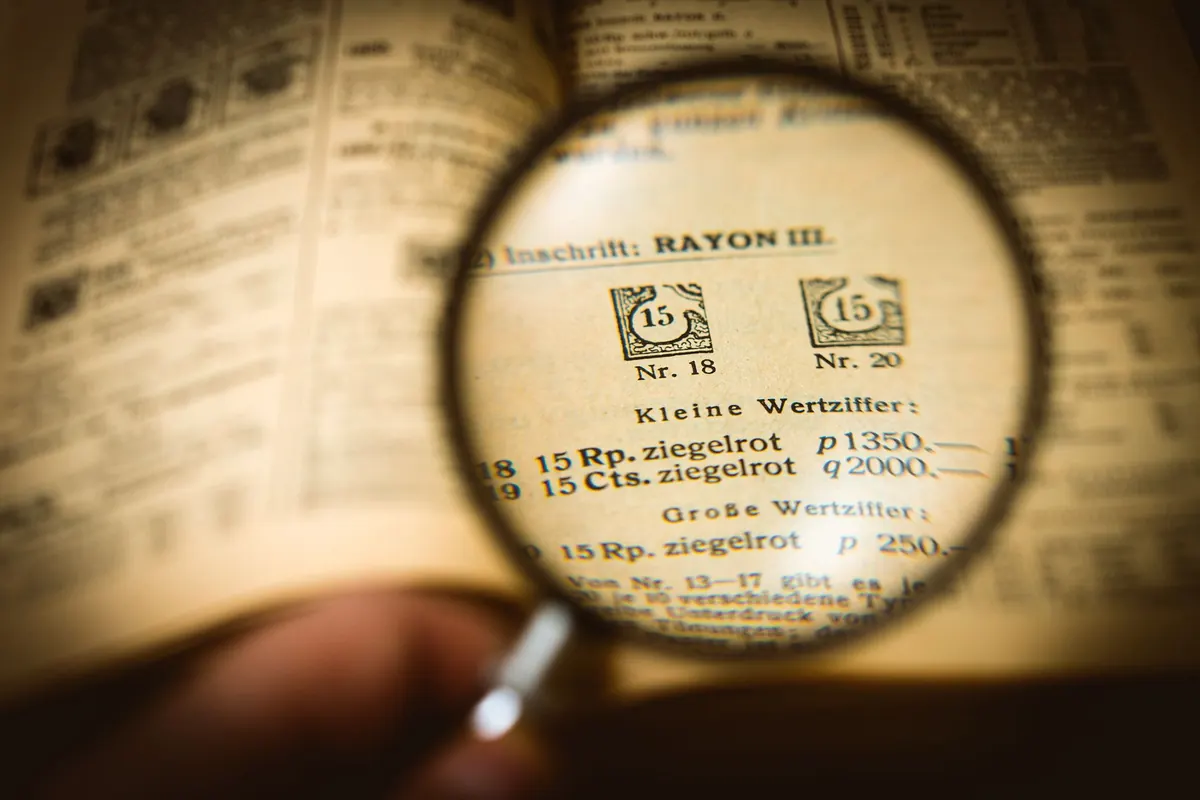
Collectors talk about "points" — the tiny details that identify a true first printing. These might be a misprint that was later corrected, a particular publisher's imprint, the presence of a half-title, or a dust jacket that lists later titles. Arthur Ransome's Swallows and Amazons and Tolkien's The Hobbit both have well-documented variations between early impressions, and specialist bibliographies exist to map them. Learn the points for the authors you collect; a later impression masquerading as a first can be worth a fraction of the real thing.
Condition: the difference between reading copies and collectibles
Condition can multiply or destroy value. The same edition might sell for a few pounds in a worn state and a substantial sum in fine condition with its jacket intact.
- Original dust jacket. For twentieth-century books, the jacket often accounts for most of the value. A first edition without one can be worth a small percentage of a jacketed copy.
- Boards and spine. Look for fading, bumped corners, cracked hinges and repairs. Rebacked or rebound copies are usually worth far less.
- Pages and plates. Check for foxing (brown spotting), water stains, missing plates, ownership inscriptions and the removal of bookplates, which often leaves a scar.
- Restoration. Expert repair is acceptable and sometimes necessary, but it should be disclosed and conservatively done — never over-painted or "improved".
Grading in plain terms
The trade shorthand runs roughly from fine, meaning close to as-new, through very good, good and fair, down to reading copy. Anything described as an ex-library copy should be treated with caution: stamps, pockets and perforated title pages are permanent marks. Buyers should always ask for photographs of the spine, the title page, the jacket flaps and any faults. In the UK, members of the Antiquarian Booksellers' Association or the Provincial Booksellers Fairs Association trade to a published code of conduct, which gives you some protection if a description turns out to be optimistic.
Demand: who actually wants the book
Scarcity without demand produces a curiosity, not a treasure. Demand comes from collectors, institutions, readers and occasionally from a film or television adaptation that sends interest soaring. Author reputation, literary importance, a landmark in a genre, association with a famous owner or a striking dust jacket design by an admired artist can all lift a book above its neighbours.
Demand shifts. Some authors fall out of fashion for decades and then return; others hold steady because the books are genuinely loved. Modern first editions, illustrated children's classics, poetry from small presses, and travel and natural history with fine plates all have committed followings in the UK, while plenty of handsome old books attract little interest at auction. Watch what dealers are asking and what auction results actually show — the gap between the two is often instructive.
Where the three factors meet
Consider a first edition of a well-known novel published in 1935. Ten thousand copies were printed, perhaps a thousand survive, most are worn and fewer than a hundred retain a decent jacket. Demand is steady because the author is taught in schools. That combination produces a book worth hunting for. Compare a beautifully bound 1890s edition of a forgotten novelist: old, attractive, competently made — and common. Age and prettiness alone rarely carry the day.
Two further points are worth keeping in mind. Provenance, meaning a documented history of ownership, adds value when it is genuine and specific, such as a signed presentation inscription or a named collector's bookplate. And signed or inscribed copies will usually outperform unsigned ones, unless the signature is dubious — in which case authentication by a recognised expert is sensible before any significant money changes hands.
How to research and care for a book you suspect is rare
Start with the title page: publisher, place and date, then the edition statement and any "first published" line. Note the copyright date, which sometimes precedes publication. Photograph the binding, jacket and any faults, and compare your copy against a specialist bibliography or the catalogues of established dealers. Auction databases and dealer listings give a sense of the market, though asking prices are not the same as sold prices. If the book looks genuinely valuable, consult a qualified antiquarian bookseller or a specialist auction house before cleaning, repairing or selling it. Store it upright, away from direct sunlight and damp, and handle it with clean, dry hands. For anything of real worth, speak to a professional valuer — and if a sale matters financially, take proper advice rather than relying on a single opinion.
Photo: Pexels / Pixabay