October 09, 2026
The phrase "rare books" brings to mind glass cases, white gloves and prices with too many noughts on the end. The reality is friendlier. Most collectors begin with a tenner and a Saturday morning, and plenty of the books they buy will never be worth much at all. That is not a failure; it is how you learn.
Three habits separate collectors who quietly build something interesting from those who fill a spare room with books nobody wants. Decide what you are collecting before you start buying. Learn one small patch of the market properly. And care more about the copy in your hand than the story attached to it.
Choose a niche narrow enough to master
"Rare books" is not a collecting brief, it is an entire trade. A niche worth having might be a single author, a single publisher, a single genre, a single region or a single decade. Penguin paperbacks from before the 1960s. Victorian illustrated gift books. Scottish county histories. Mid-century science fiction in paperback. First editions of a crime novelist nobody has bothered to reprint.
Narrow briefs give you two advantages. You learn quickly what a genuinely good copy looks like, which means you stop paying good money for ordinary books. And you become the person who notices things other buyers walk past.
Follow your own shelf
If you already read a genre or collect an author's work for pleasure, you will spot details that a general dealer will miss. Enthusiasm works as a research tool, and it keeps the hobby enjoyable when the finds are thin.
Two tests for a niche
- Is there enough material? If a broad search for your subject returns only a handful of results worldwide, you will spend years waiting.
- Can you afford the top of the market? Look up what a genuinely fine copy of your target would cost. If that is out of reach, collect the same author in a cheaper form — later printings, paperbacks, signed bookplates or translations.
Where the affordable stock actually sits
Bargains rarely live in the front window of a specialist shop. They turn up in charity shops, jumble sales, the back rooms of second-hand bookshops, small local auction houses, house clearance lots and church-hall book fairs. Online marketplaces matter too, but you need to search in an unfashionable way.
- Search by publisher and year rather than title. Sellers list what they own, not what you want.
- Save searches for common misspellings of an author's name. Plenty of good books are listed under the wrong spelling and priced accordingly.
- Buy in lots at local auctions and sell or swap the duplicates. One decent book in a box of twenty is still a result.
- Ask dealers whether they keep a box of reading copies. Condition-graded stock is often where the pleasant surprises are.
- Go early to book fairs to see everything, then buy late, when sellers are packing up and less inclined to carry stock home.
Condition first, story second
Beginners buy the idea of a book. Experienced collectors buy the object. A battered early copy is frequently worth less than a clean later printing, and an ex-library copy with stamps and a laminated jacket can be worth a fraction of a tidy one. Sellers use condition terms loosely — "good" is, in trade usage, a fairly low grade — so always ask for photographs of the spine, the title page, the jacket flaps and any damage.
What matters most
- Dust jacket. On twentieth-century hardbacks, the jacket often carries a large part of the value. A book without one is a different commodity.
- Structure. Cracked hinges, shaken bindings and detached pages are expensive to fix and rarely worth fixing.
- Foxing and damp. Brown speckling and a musty smell are hard to reverse, and mould spreads to the books beside it.
- Trimming and rebinding. Library rebinds often lose the original margins and any jacket, both of which buyers notice.
- Marks of ownership. Library stamps, bookplates and heavy annotation all reduce appeal.
What is forgivable
A neatly written previous owner's name, a small chip to an otherwise scarce jacket, or a faint reading crease are usually acceptable if the price reflects them. Perfection is not the goal. Value for money is.
Buy the copy you would still be pleased to own in ten years, not the one that merely fills today's gap.
Spotting undervalued copies
Value hides in places that look unglamorous. A few reliable patterns are worth learning.
Later printings with a difference. Some authors revised their texts after publication. If your niche includes a writer who did, the earlier revised printing can carry real interest while sitting in the cheap boxes.
The second and third books. A famous novelist's debut is expensive and widely chased. The books that followed are often available for very little, and complete a collection in a way a lone first edition never will.
Plain-looking proofs. Uncorrected proofs and advance copies are frequently shelved with ordinary paperbacks because they do not look special. They are usually scarcer than the finished book.
The missing volume. Dealers price sets, not gaps. If a series has one hard-to-find title, buying the common volumes cheaply and waiting is often cheaper than buying the set.
Local fame, national obscurity. A book that is famous in one county and unknown elsewhere can be bought locally at local prices and sold to a wider audience later. This is a slow strategy, not a quick one.
The reprint traps
Learn the points for your niche and write them in a notebook. Look for statements such as "First published", "Reprinted" or "New edition", for number lines, and for the giveaway signs of a book club issue: the words "Book Club Edition", no price on the jacket, and slightly smaller boards. Treat the online word "vintage" as decoration. It tells you nothing about edition or condition.
Spend like a collector, not a shopper
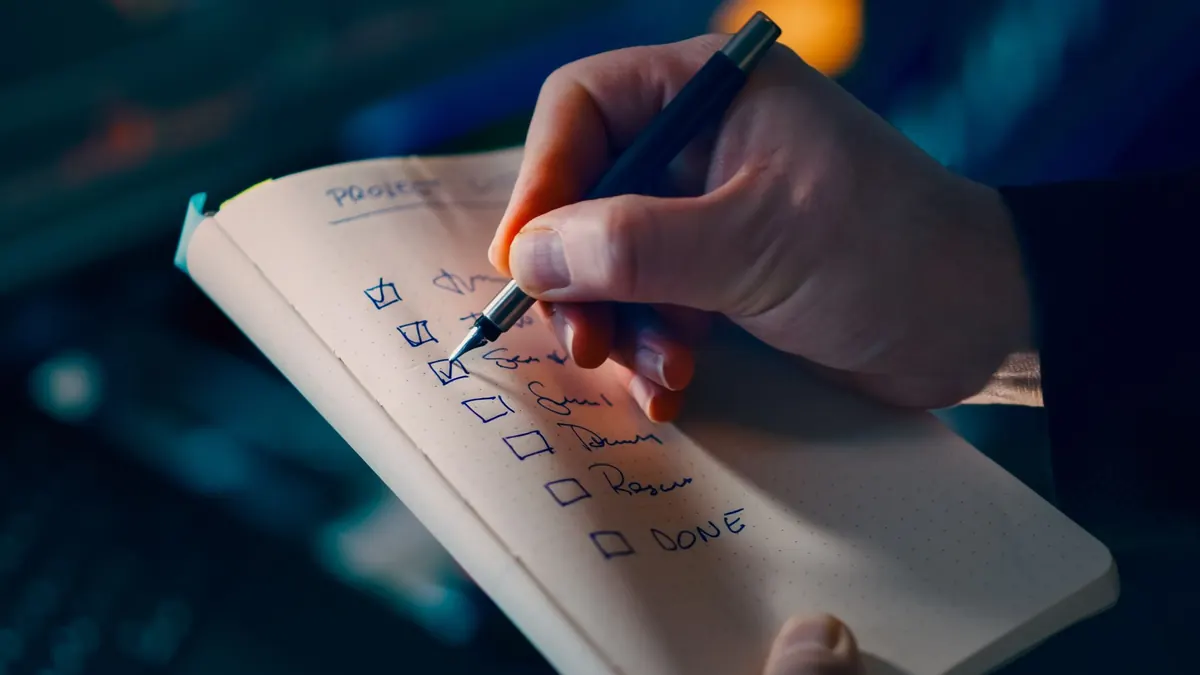
Give yourself a monthly ceiling and treat the first few months as tuition. Keep a simple record of every purchase: what you paid, where it came from, and why you bought it. That notebook will teach you more than any price guide.
Store books upright, out of direct sunlight, in stable, dry conditions. Avoid attics and damp cellars. Handle them with clean, dry hands and shelve heavy folios flat rather than by the spine.
If you ever start spending serious sums, or buying with an eye to resale, take advice from an accountant or a qualified valuer. This is a hobby first, and a market second.
Your first three months, in practice
Month one is research. Choose your niche, write down its points of issue, and follow what sells and what does not. Month two is buying, cheaply: three or four books under a strict limit, from charity shops, fairs or a local auction. Month three is review. Compare what you bought with what you thought you were buying, and keep a running want list of no more than ten titles.
Do that for a year and you will have a small collection with a shape to it, a working knowledge of one corner of the trade, and a handful of books you actually want to own. That is a far better foundation than a shelf of expensive mistakes.
Photo: 4262159 / Pixabay