September 20, 2026
A first printing of a famous novel can cost more than a small car. A creased Penguin from 1962, bought for the price of a coffee, can give you most of what makes collecting enjoyable: a good story, a striking cover, a slice of social history, and the quiet pleasure of spotting something everyone else walked past.
Why paperbacks are the sensible place to start
They were designed to be thrown away. That is the whole point of a paperback: cheap paper, glued spine, sold from a spinner rack by the till and binned once read. Decades later, the survivors are scarcer than their enormous print runs would suggest, and the ones that lasted usually did so because somebody liked them enough to keep them.
That gives a new collector three advantages. Price, because most paperbacks from the 1950s to the 1980s can be bought for modest sums, so you can buy widely and learn quickly. Space, because a few hundred will fit on one bookcase. And design, because the covers are miniature paintings, made by illustrators working fast and often anonymously, and they are the reason many people collect at all.
It also helps that paperbacks come in tidy series. British A-format (roughly 178mm tall) and B-format (roughly 198mm) sit neatly on a shelf, and a numbered imprint hands you a ready-made wish list. Collecting by publisher and number is one of the cheapest ways to build something that looks deliberate rather than accidental.
The imprints worth learning first
You do not need to memorise every publisher. Learn half a dozen and you will start recognising spines across a crowded room.
Penguin and its relatives
Penguin began in 1935 and set the template: colour-coded covers — orange for fiction, green for crime, light blue for Pelican non-fiction — and a numbered sequence you can collect against. Early Penguins, particularly pre-war and wartime printings, are among the most collected British paperbacks of all. The design shifted repeatedly: the original two-column grid, the typographic experiments of the late 1940s, and the Marber grid from 1961 with its clean white band and colour image. Knowing which era you are holding tells you at a glance whether a book is early or late.
Pan, Fontana, Corgi and the rest
Pan (from the late 1940s), Fontana (late 1950s), Corgi, Panther, Granada, Sphere and New English Library built the British mass market. Pan covers are the most painterly of the group and often the most valuable as artwork in their own right. New English Library's 1970s horror and pulp titles have a devoted following, and Fontana's crime lists are a good hunting ground for anyone who likes a series to complete.
The Americans
Dell, Pocket Books, Bantam, Ballantine, Signet, Avon and Gold Medal produced covers that were frequently bolder than their British equivalents. Ace Doubles, two novels bound back to back and printed upside down to each other, are a collector's sub-genre of their own. Ballantine's Tolkien editions are widely sought, and Gold Medal's hardboiled crime list is a natural starting point if you like your fiction tough.
Cover art is half the collection
A book you would never read can still be worth owning for its cover. Look at the printing quality of the image, not just the picture: early lithographed covers have a depth and grain that later photographic ones lack, and a cover that is bright, unfaded and square-cornered is doing most of the work of holding value.
Two practical habits help. First, learn to date a cover by its typography and price style; a cover with a decimal price is later than one with pre-decimal currency. Second, keep a note of illustrators whose work you like, because a signed or attributed cover matters to buyers far more than an anonymous one. Condition drives value, but art drives desire, and desire is what makes a collection feel like yours.
How to grade condition honestly
Grading is a shorthand, not a science, and sellers vary. Learn the vocabulary, then trust your own eyes.
- As new or fine — tight, square, unread-looking, no creasing, colours sharp.
- Near fine — a hint of handling: faint spine crease, very light edge wear.
- Very good — read but cared for; small creases, minor rubbing, still attractive.
- Good — obvious wear, spine creases, a little foxing or tanning, complete and solid.
- Fair — heavy creasing, lean, marks, possibly a loose cover, but readable.
- Poor — pages missing, covers detached, water damage or mould. Buy only for rarity.
Then learn the specific faults that sellers should always mention:
- Spine lean and reading creases — the single biggest factor on a paperback.
- Foxing — brown spotting on the paper, usually a sign of damp storage.
- Tanning — the natural browning of cheap paper, especially page edges.
- Price-clipped or clipped corners — often the removed publisher's price.
- Remainder marks — a felt-tip line or stamp on the page edges.
- Ex-library stamps, labels, ink names and sun fading — obvious, but easy to miss on a dim market stall.
Where to find them
Charity shops, car boot sales, jumble sales, house clearances and the back rooms of second-hand bookshops remain the best value, precisely because the staff are not specialists. Go early, take cash, and be willing to buy a box to get the two books you actually want. Book fairs and dedicated paperback and pulp fairs, such as those held in London, are better for learning: you can handle hundreds of examples in an afternoon and compare condition side by side. Online, buy from sellers who photograph the actual copy and describe faults, and avoid listings that use a stock image of a different printing.
Looking after what you buy
Paperbacks are fragile in specific, predictable ways. Keep them out of direct sunlight, which fades spines faster than anything else, and away from radiators and damp walls. Store upright on a shelf, not stacked, and do not pack them so tightly that you drag the covers when pulling one out. For anything you value, a clear archival sleeve of inert polyester with an acid-free backing board will protect the cover without sealing in moisture. A musty smell is a warning, not a quirk: it usually means mould, and mould spreads to the books beside it.
Starting without wasting money
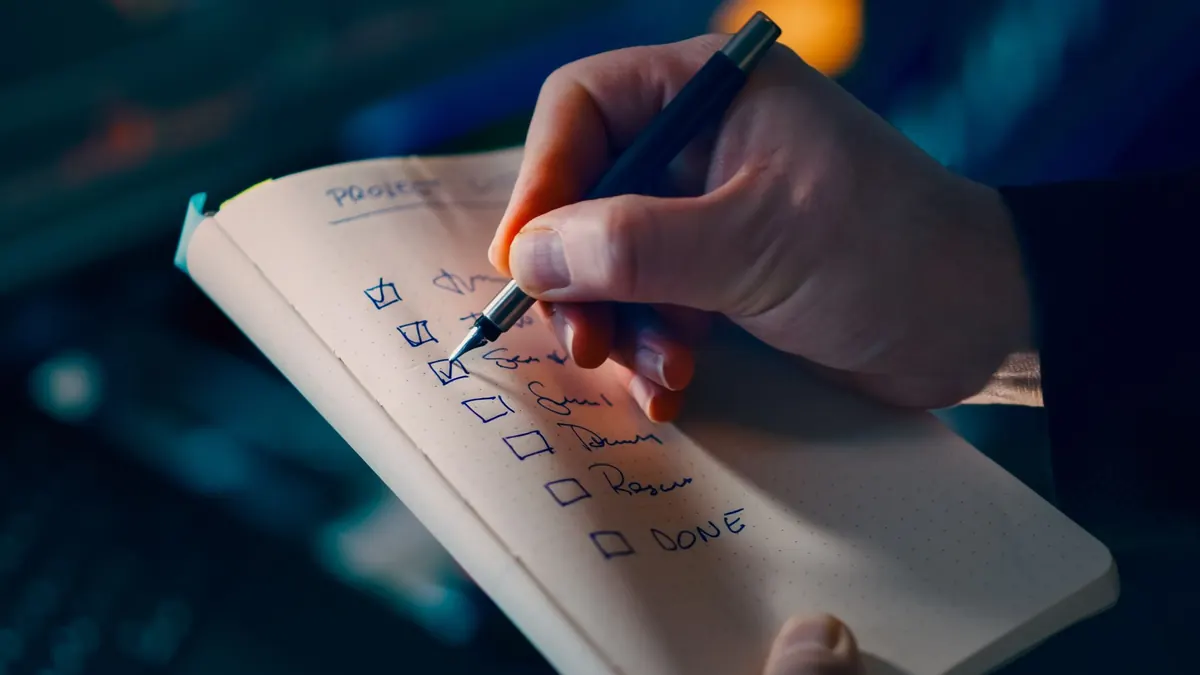
Pick one narrow theme for your first year — a single imprint, a decade, a genre, or one illustrator — and buy the best copy you can find rather than several mediocre ones. Carry a short list of what you are looking for, and a longer list of what you will walk past. Record what you paid and where you found it; two years from now that notebook will teach you more about the market than any price guide, because guides are averages and your shelf is evidence.
If you find yourself spending properly serious money, ask a specialist dealer or an auction house books department for an opinion before you commit. Otherwise, the rule is simple: buy the books you would be happy to keep even if they were worth nothing, and you will rarely regret a purchase.