October 07, 2026
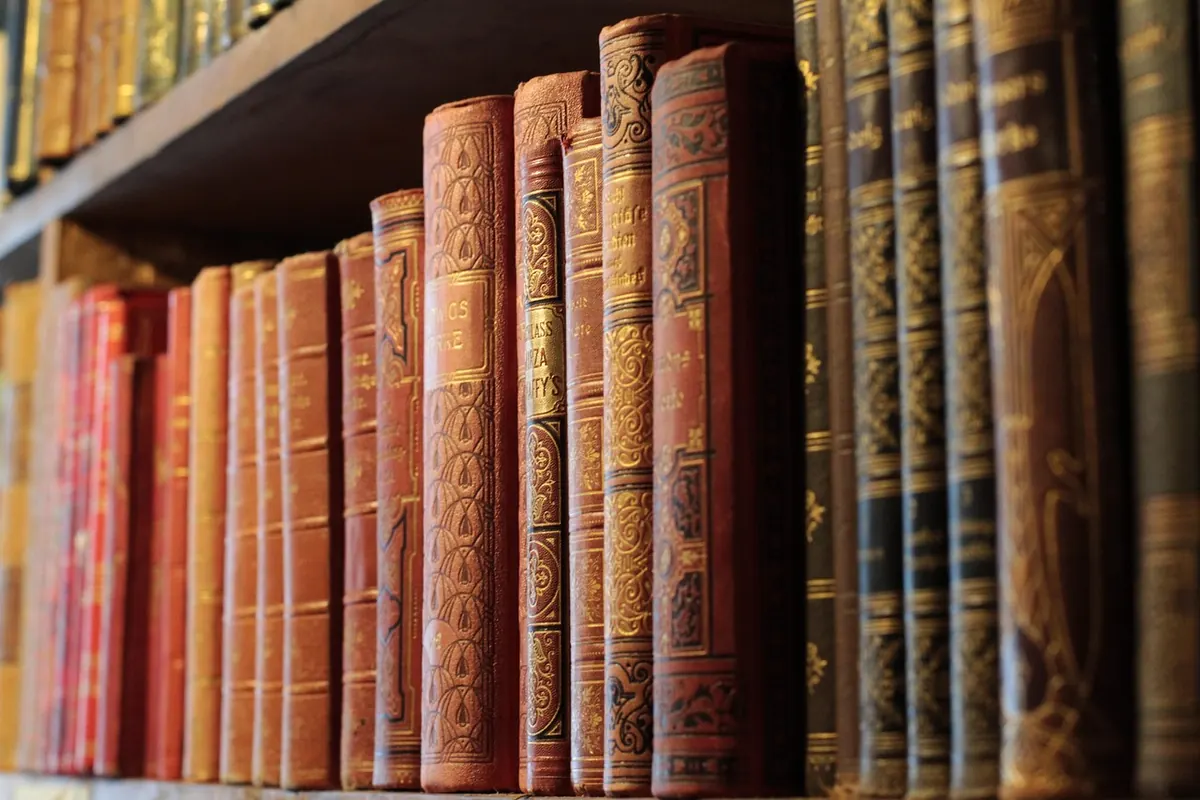
A first edition that has sat quietly for eighty years in a cool, dark room can be ruined in a single damp winter. Nothing in book collecting is quite so unforgiving as storage. You can turn pages beautifully and still watch value slip away because the book lived under a skylight or against a wall that never quite dried out. Condition is what buyers pay for, and condition is largely decided by the room, the shelf and the sleeve, long before anyone opens the cover.
The reassuring part is that archival care is not complicated. It is a short list of principles, applied consistently, and most of them cost very little.
Start with the room, not the shelf
Before buying a single box, look at where the books will live. Attics swing from baking to freezing and back again. Basements and ground-floor rooms with solid walls hold moisture that you can feel but not always see. A spare bedroom above a steamy kitchen is worse than it looks. What you want is a room that is used but not damp, with an internal wall, a door that closes and no direct sun. A study, a landing or an upstairs hallway is usually fine.
Stability matters more than perfection. A collection held at a steady 45 per cent relative humidity will outlast one that swings from 30 to 70 every week, because paper and leather take on and release moisture constantly. That cycling is what cockles pages, cracks leather along the joints and encourages the brown spotting known as foxing.
Humidity and temperature: the numbers worth watching
Conservation guidance for paper and leather generally settles somewhere around 40–50 per cent relative humidity and 16–20°C, with as little fluctuation as you can manage. You do not need laboratory conditions; you need to avoid the extremes.
Above roughly 65 per cent relative humidity, mould becomes a genuine risk, particularly behind books on an outside wall or in a closed cupboard with no air moving. Below about 30 per cent, paper turns brittle and leather dries, lifting at the head and tail of the spine. Central heating in winter is the usual culprit, drying a room out without anyone noticing.
A basic digital hygrometer costs less than a paperback. Put it on the shelf, not across the room, and check it weekly for a month so you learn how the space behaves. A small dehumidifier, run only when needed, will hold a damp room steady. Silica gel is useful inside a sealed cupboard; it does nothing on an open shelf.
If you find mould
Do not wipe it off with household cleaner, and do not dry the book in sunlight or with a hairdryer. Isolate it in a sealed bag, get the room dry and ventilated, and speak to a book conservator. Mould is a health matter as well as a conservation one — if you are asthmatic or allergic, leave the handling to someone else, and seek professional advice if you are unsure.
Light does damage you cannot undo
Fading is cumulative and permanent. Ultraviolet is the worst offender, but visible light fades things too, especially inks, dust jackets, cloth spines and anything printed on newsprint. A row of books left in a sunny window will show a colour difference in the cloth within a season or two, and nothing will bring it back.
- Keep shelves out of direct sun, even for part of the day.
- Fit blinds, or apply UV-filtering film to the glass.
- Use LED bulbs, which emit very little ultraviolet, rather than old fluorescent tubes.
- Switch the lights off when you leave the room.
- Rotate anything on display so no single book takes the worst of it.
Shelving, and how a book sits
Powder-coated steel shelving is ideal. Well-sealed, properly finished timber is fine. Unsealed or acidic wood — chipboard, MDF, old pine — releases acids over time and will stain and embrittle whatever touches it, so line the shelves or slip a sheet of acid-free barrier board beneath the books.
Store books upright and supported. A row that slumps sideways puts a permanent twist into the spines, so use bookends that actually grip rather than decorative ones that merely lean. Large, heavy folios with weakened boards are better stored flat, no more than two or three deep, with nothing on top.
- Nothing jammed in so tightly that you need force to remove it.
- Nothing so loose that it falls over when the shelf is touched.
- Nothing stacked horizontally on top of a standing book.
- Nothing against a damp outside wall or directly above a radiator.
- No supermarket delivery boxes: they are acidic, often damp and never the right size.
Sleeves, jackets and boxes
A dust jacket is part of the book and usually a large part of its value, so keep it on and protect it. A clear archival polyester sleeve — polyester, not PVC — gives you a barrier against dust, handling and light while letting you see the jacket. For paperbacks, pamphlets and fragile paper covers, use a four-flap folder or a polyester sleeve with a stiff backing board behind.
Books with broken joints, detached boards or crumbling spines belong in a made-to-measure clamshell box. Boxing is not repair; it is protection, and it is often the sensible choice. Actual repairs are a job for a trained conservator. Tape, glue and well-meant home fixes almost always reduce value and can make proper conservation harder and more expensive later.
Materials to avoid
PVC and cling film trap moisture and give off fumes. Rubber bands perish and cut into covers. Self-adhesive tape stains and fails. Newspaper bleeds ink and is acidic. Bubble wrap is fine for a journey, not for a decade on a shelf. And if a book is genuinely valuable, never write a shelf mark on it or on its jacket.
Handling, dust and pests
Clean, dry hands are the best handling tool for paper. Cotton gloves are often recommended, but they reduce feel and can catch on brittle edges; use them for photographs, metal objects and very fragile items, and for ordinary books simply wash and dry your hands first. Support the boards and the spine together when you lift a volume, open it gently, never press a tight binding flat, and use a foam wedge or rolled towel as a cradle for heavy volumes and photographic plates.
Dust once or twice a year with a soft brush, working from the spine outwards and keeping debris out of the gutter. Silverfish, booklice and rodents all follow damp and food, so keep eating away from the shelves, air the room, and inspect the backs of shelves and the gaps behind them. A cedar block will not solve an infestation; removing the damp will.
A simple, repeatable routine
Twice a year, set aside an hour. Read the hygrometer, dust shelf by shelf, and take each book out once. Look at the joints, the spine ends, the corners and the endpapers. Note anything new: a lifted joint, a bloom of white on a cover, a faint smell of damp. Photograph it, date it and keep the note with your purchase records. Catching a problem in March is far cheaper than catching it in November.
Keep a written inventory with titles, editions and what you paid, and revisit your insurance cover as values change. For anything worth several hundred pounds or more, arrange a professional valuation rather than estimating it yourself, and talk to your insurer about whether it needs listing separately. If you spot damage you cannot explain, ask a book conservator before you touch it. On insurance, valuations, tax and anything legal, take advice from a qualified professional.
Do those few things and most rare books will outlive all of us, which is rather the point.
Photo: Tima Miroshnichenko / Pexels