October 02, 2026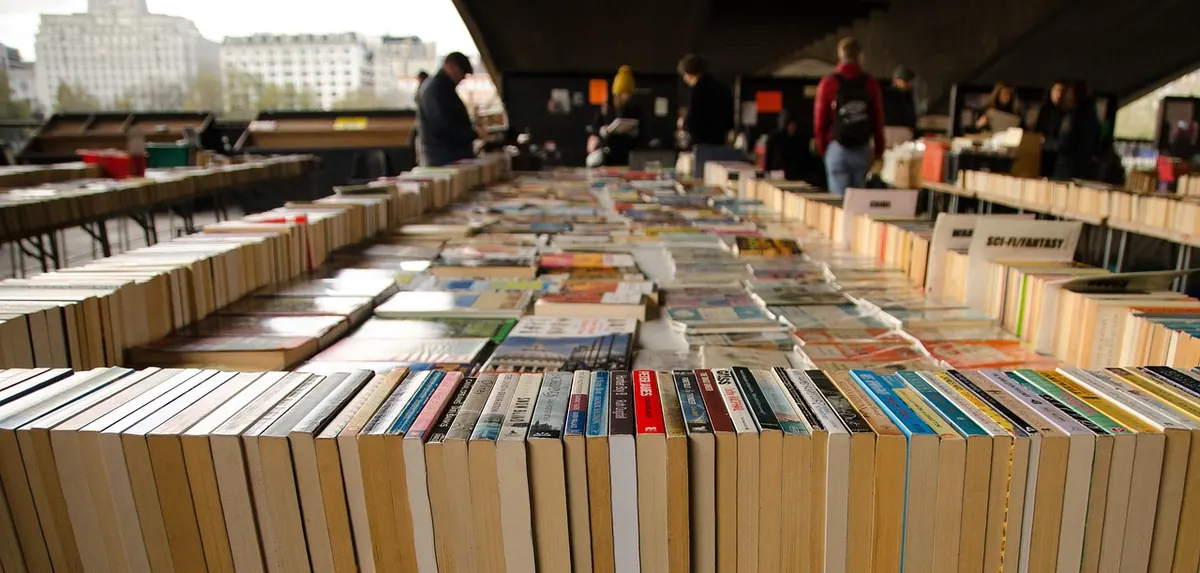
London has been selling books for longer than most cities have been printing them, and it shows. Walk five minutes from Leicester Square and you can pass a shop stacked with children's annuals, another dealing in medieval manuscripts, and a third where the owner knows exactly which country-house library a particular copy came from. The trade here has real depth, and it runs on a set of unwritten rules. Learn the geography and the etiquette, and a pleasant afternoon becomes a productive one.
First, learn the map
Cecil Court, the pedestrian alley between Charing Cross Road and St Martin's Lane, is the traditional heart of it. A dozen or so shops, most of them small and most of them specialists: children's and illustrated books, music, maps, prints, magic, esoterica. It rewards slow browsing rather than a targeted strike, so give it an hour and look in every window before you commit to anything.
Then Charing Cross Road itself. Any Amount of Books, Henry Pordes and Quinto Bookshop sit within a few doors of one another and stock the sort of general secondhand material that makes for a good afternoon: modern first editions, art, history, paperbacks by the yard. Prices are usually sensible and the staff are entirely used to people who are only looking.
Bloomsbury is quieter and more academic. Judd Books on Marchmont Street and Skoob in the Brunswick Centre both lean towards philosophy, classics, art history and odd corners of science. This is where a scholarly book turns up at a fraction of its new price, and where a patient collector can still be genuinely surprised.
The top end lives elsewhere. Peter Harrington in Chelsea, Maggs Bros in Bloomsbury and Bernard Quaritch in Clerkenwell deal in books that arrive with a catalogue entry and a provenance. You do not need a reason to walk in, but it helps to have a question.
Markets: good hunting, mixed quality
Portobello Road on a Saturday, Bermondsey Square on a Friday, Camden Passage midweek, Spitalfields on a Sunday. The rules are consistent: arrive early, carry cash, and expect to sort through boxes on the ground. Condition problems are normal at this level — water staining, plates missing, library stamps, brittle paper — so decide in advance what you are willing to live with. Prices are fluid, and a good-natured conversation about a dog-eared copy is rarely wasted.
Fairs: the fastest education in the trade
If you want to learn what good condition actually looks like, go to a fair rather than a shop. Firsts London, the Antiquarian Booksellers' Association's annual event, the PBFA's regular London fairs, and the Chelsea Rare Book Fair are all worth a day. Dates and venues move, so check before travelling.
In one room you can compare twenty copies of the same title, ask why one is twice the price of another, and hear the answer explained properly. Handle nothing without asking first: at fairs the rules are stricter than in a shop, because the exhibitor has carried the stock across the country and a damaged book becomes an argument in front of colleagues.
How to inspect a book without annoying anyone
Booksellers watch your hands rather than your face. The following will mark you out as someone worth dealing with.
- Ask first. "May I look at this one?" costs nothing and gives the seller a chance to fetch a support or a tray.
- Put your bag down. Not on the counter, and certainly not on the stock.
- Lift correctly. Never hook a finger over the head of the spine to pull a book from a shelf. Push its two neighbours back and take it by the boards.
- Open gently. Support the spine with one hand and open the covers no further than the text block allows. Never press a book flat to photograph or scan it.
- Collate. Check the half-title, title page, contents and any plates or maps called for. Missing plates are the most common defect and the easiest to overlook.
- Examine the joints. Hinges, spine ends and corners tell you how the book has been stored. A cracked hinge on a cheap book is a nuisance; on an expensive one it is a reason to walk away, or to ask for a price that reflects it.
- Note the small marks. Bookplates, inscriptions, library stamps, foxing, faded spines, clipped jackets. All affect value, and a good seller will have mentioned them already. If they have not, ask.
- Hand it back. Do not reshelve it yourself. Ask where it goes, or let the seller take it.
Talking about money
Haggling here is not the sport it is in some markets, and aggressive offers tend to end a relationship before it starts. The polite opening is a direct question: "Is there any movement on the price?" Most dealers will either say no, which is a complete answer, or offer something modest. Buying two or three books is a far better lever than grinding one down by a few pounds, and nobody minds being asked to do a slightly better price on a bundle.
At fairs, opening-day prices tend to be firm. The dealer has travelled, the cataloguing was done weeks ago, and the price is the price. There is sometimes more flexibility on the final afternoon, but do not build a plan around it.
Ask about provenance and condition on anything serious, and confirm the returns position before you pay. Reputable dealers belong to trade associations with published codes of practice, and those terms matter more than any verbal assurance. Keep a written want list and leave a copy with two or three dealers whose stock suits you; that is how most good books change hands quietly, long before they reach a shelf.
A Saturday plan that works
Start at Cecil Court around half past ten, before the crowds arrive, then work up Charing Cross Road. Break for lunch. Spend the afternoon in Bloomsbury, where Judd Books and Skoob reward unhurried browsing, and finish with a coffee and a look at whatever you have bought.
Three practical notes. Check opening hours first: many dealers close on Sundays and Mondays, and a few work by appointment only. Carry more cash than you think you need, since not every stall takes a card. And take a notebook, a pencil and a note of your shelf measurements, because the book you cannot quite place is the one you will regret leaving behind.
Then buy the book you keep going back to. That instinct is usually right, and in this trade the pleasure of a good copy lasts considerably longer than the memory of the price.
Photo: ClickerHappy / Pixabay